Brain Treatment Center Plano
Magnetic Resonance Therapy, MeRT
– Non-invasive
– Drug-Free
– Customized
– A Safe Treatment
We identify and nurture specific areas of the brain that are not communicating, using gentle magnetic stimulation to restore function.
Veteran Owned and Operated
MeRT is an rTMS Therapy in Plano: Personalized, EEG-Guided Treatment
At Brain Treatment Center Plano, we specialize in MeRT, a non-invasive, drug-free treatment that uses gentle magnetic pulses to support healthy brain activity. MeRT® is a highly customized form of rTMS (repetitive Transcranial Magnetic Stimulation) that can help restore healthy brain function based on your unique brainwave patterns.
Treatment begins with sophisticated diagnostics and a highly customized treatment plan. We then identify and nurture specific areas of the brain that are not communicating using gentle magnetic stimulation.
The equipment used in our program is FDA-cleared and rTMS is FDA-approved for Major Depressive Disorder and OCD. In clinical practice, it may also be used off-label for other neurological and mental health conditions.
Many patients report improvements in areas such as mood, focus, and sleep. Individual responses vary.
What Makes MeRT stand head and shoulders above other treatments?
We’re here to help you navigate the increasingly complicated process of determining what treatments are the right fit. Here are some key factors that make MeRT stand above other treatment modalities.
It is Highly Customized:
Each treatment protocol is based exactly and only on each patient’s brain scans and symptoms. No two brains are the same, so no two treatments are the same.
Treatment is Completely Non-invasive:
Treatment only involves the use of magnetic waves. MeRT is a safe therapy.
MeRT is Drug and Medication Free:
Treatment does not involve the use of any medications or anesthetics.
FDA-Cleared to treat Depression and Other Conditions:
The TMS equipment used in MeRT is FDA-cleared. And rTMS is FDA-approved to treat depression. and OCD. It is used off-label to treat other neurological conditions.
Why It Matters
MeRT combines the proven science of rTMS therapy with individualized brain mapping to create a treatment that’s uniquely yours. It’’s safe, effective, and designed to help your brain function at its best.
Contact our
New Patient Coordinator
Or fill in the form at the bottom of the page for more information.
Conditions We Treat
EEG-guided rTMS (MeRT) may be used as part of care for the following conditions:

Autism
Autism Spectrum Disorder affects how individuals communicate, learn, and interact with the world. Learn more about our EEG-guided rTMS (MeRT) approach for autism.

Depression
We offer FDA-cleared rTMS therapy for Major Depressive Disorder, including treatment-resistant depression.
Head Injuries
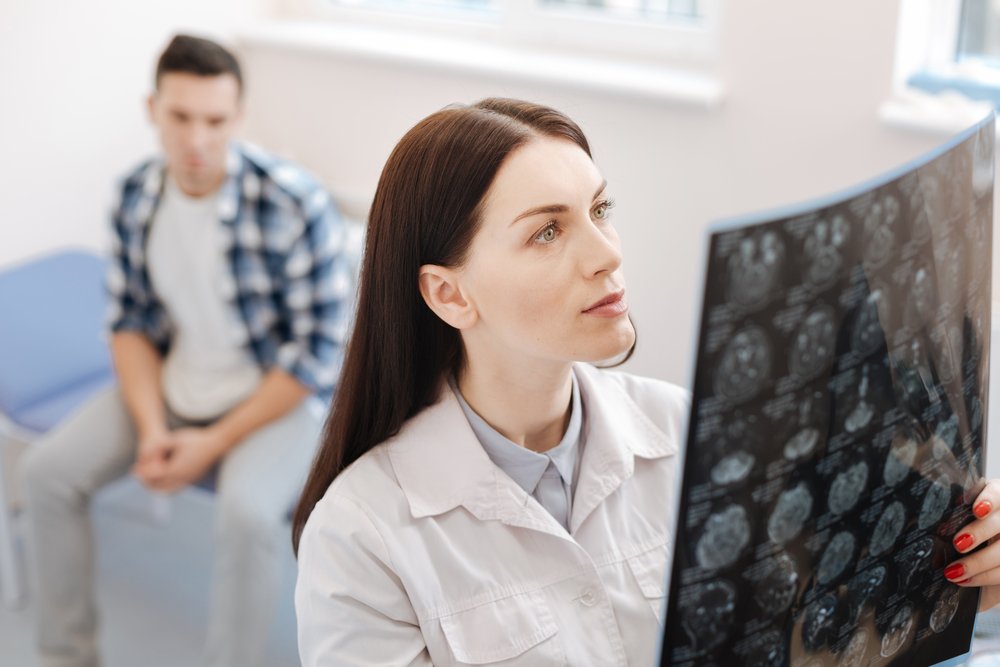
Head injuries, including concussions and traumatic brain injuries, can have lasting ill effects. MeRT may help with recovery.

Anxiety
Anxiety disorders are common and may not fully respond to traditional approaches. Learn more about our individualized rTMS treatment options.

PTSD
Post-Traumatic Stress Disorder (PTSD) can affect sleep, mood, and daily functioning after traumatic experiences. Learn more about our EEG-guided rTMS approach for PTSD.

Memory and Focus
Memory and focus challenges can affect daily performance and productivity. Discover our EEG-guided rTMS approach to cognitive concerns.

Sleep Conditions
Sleep conditions affect the quality, timing, and duration of sleep, often impacting energy levels, mood, cognitive function, and overall health.
Stroke Recovery
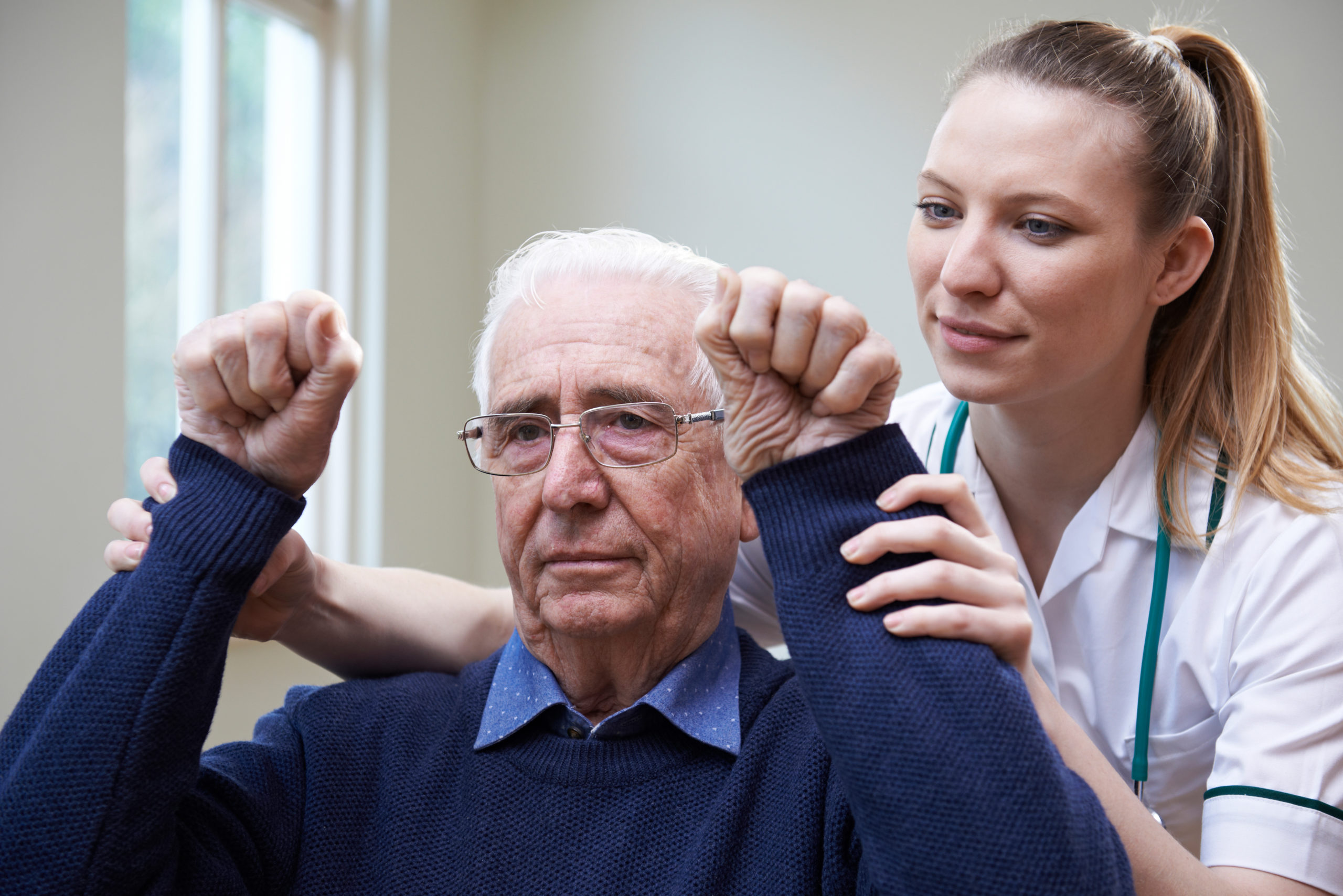
Stroke recovery focuses on helping the brain and body regain lost functions through rehabilitation, neuroplasticity, and supportive therapies.

Long-Covid
Long Covid refers to persistent physical, neurological, and cognitive symptoms that continue for weeks or months after an initial COVID-19 infection.
The neuromodulation technology used in our MeRT program is based on rTMS therapy, which is FDA-approved as a treatment for Major Depressive Disorder (MDD) and Obsessive-Compulsive Disorder (OCD).
In the practice of medicine, this technology may also be used off-label for certain neurological and mental health conditions, including PTSD, traumatic brain injury (TBI), anxiety-related disorders, ADHD, autism spectrum disorder (ASD), stroke recovery, dementia, and post-COVID symptoms.
Because EEG-guided rTMS, MeRT, is individualized to each patient’s brain activity, treatment protocols are designed to address overall brain communication rather than focusing on a single diagnosis.

5
Treatments per week

6
Weeks of Treatment

30 – 45
Minutes for a Session

30
Total Sessions
Our Medical Director, Neurologist Dr. Miller
Dr. Spencer O. Miller, a Neurologist in Dallas, Texas, is the owner and Medical Director of Brain Treatment Center Dallas, Plano, and Fort Worth. He received his medical degree from the University of Mississippi School of Medicine and has been in practice for 12 years. He spent five of those years in the US Air Force, where he saw many brain injuries, including soldiers suffering from PTSD and TBI.
Dr. Miller now specializes in MeRT treatment of traumatic brain injury, depression, post-traumatic stress disorder, dementia, autism, and multiple other brain disorders at his clinics.
Dr. Miller is also affiliated with Baylor University Medical Center, where he specializes in stroke, headache medicine, traumatic brain injury, post-traumatic stress disorder, and seizures. Additionally, he is associated with the Texas A&M Science Center College of Medicine.
He also speaks multiple languages, including Spanish.
A Specialized Focus on Autism Spectrum Care
While Brain Treatment Center Plano provides EEG-guided rTMS therapy for a range of neurological conditions, we have significant experience working with families navigating autism spectrum disorder.
Autism affects each child differently. Because no two brains function the same way, treatment should not follow a one-size-fits-all protocol. Our approach begins with advanced EEG brain mapping to evaluate patterns of brain activity. That data is used to guide a personalized rTMS plan tailored to each child’s unique neurophysiology.
Treatment is:
- Noninvasive
- Drug-free
- Delivered in a calm, supportive environment
- Designed with sensory sensitivity in mind
While results vary, some families report improvements in communication, engagement, emotional regulation, and daily functioning following treatment.
Contact our
New Patient Coordinator
Or fill in the form at the bottom of the page for more information.
A Father tells his MeRT Story
“In the third week, something happened. The family was driving around sight-seeing when they realized that they were getting lost in the California desert. Mary and Frank began to argue, and right in the midst of it, the moment they had waited six years for finally came. “I remember he said a seven-word sentence basically to the effect of ‘I want you two to stop fighting.’ And it shocked me so much that I almost stopped breathing,” Frank recounts. “I looked at my wife and said ‘Do you realize what just happened? He just said a seven-word sentence.’ I had tears in my eyes, and I was happy at the same time. He was so upset that it pushed these words through.”
From there, Frankie’s progress snowballed. They returned home after only a month, but the difference between the child who arrived in California and the one who left was striking. They had taken a video of Frankie on the plane when they started the journey, “and he’s just making baby babble,” Frank says.
“We have another video of him on the plane coming back. And he looks out the window and says, ‘Goodbye California, see you soon.’ This was a nonverbal kid, 30 days earlier. And his feet are flat on the ground.”
Doctors said Frankie would continue to improve even without regular MeRT albeit a bit slower. Today, he is 11 years old, verbal, and attends a public school. He tells Frank stories about times when he wanted to speak but couldn’t.
Every child’s experience is different, but stories like these reflect why many families choose to explore individualized neuromodulation as part of their child’s care plan.
Featured on The Doctors
Dr. Spencer Miller has discussed EEG-guided rTMS (MeRT) for autism on the nationally televised program The Doctors. During the segment, families shared their experiences, and Dr. Miller explained how brain mapping and personalized neuromodulation may support improved brain communication in some children on the spectrum.
The program highlighted how objective brain data can guide individualized treatment rather than relying on a standardized stimulation approach.
Brain Treatment Center Plano Location
We’re located in Pavillion 2 of Baylor Scott and White Medical Center Plano. Come find us or reach out to get started on your recovery journey!
Our Plano Clinic
Brain Treatment Center Plano
4716 Alliance Blvd, Suite 270
Plano, TX 75093
Telephone
New Patient Coordinator direct: 469-217-6474
Reception for existing patients or scheduling: 469-466-9745
Fax: 214-385-2580
Office Hours
Mon-Fri: 9am – 5pm